
How to Sabbatical 4: What Gets Measured, Gets Done—But Measuring Isn’t Doing.
By Guli Fager, MPH, CFP®, Financial Advisor
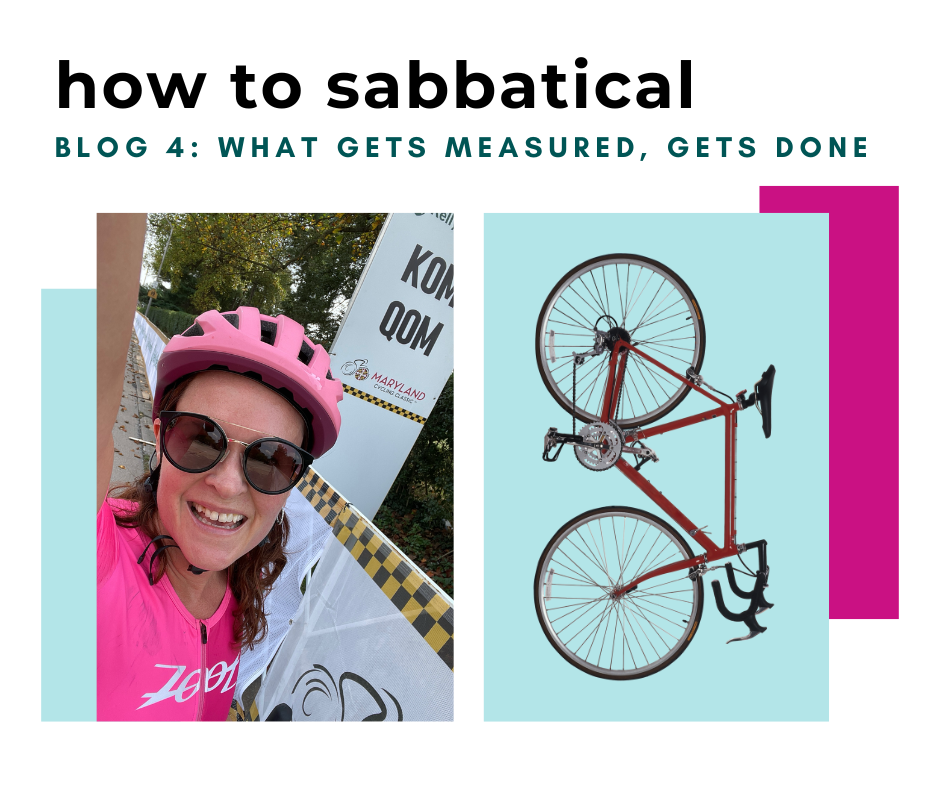
For almost every workout, I want to know at the outset two things: how long/far is it going to be, and how hard should it feel? And when it’s over, I know two things: did I finish it? And how long did it take?
In tech-heavy triathlon, athletes track dozens of metrics in workouts and races but the most important ones to me are the ones I’m going to subjectively experience — how long (endurance) and how hard (intensity); and afterwards, how much do I have to eat ASAP to keep from having a total meltdown? At my level, the goals are binary: I either finished, or I didn’t. But the races I’ve done thus far have only been one day; this cross country trip will last 58 days with 8 days off peppered throughout. So my approach to goalsetting and measurement has been challenged.
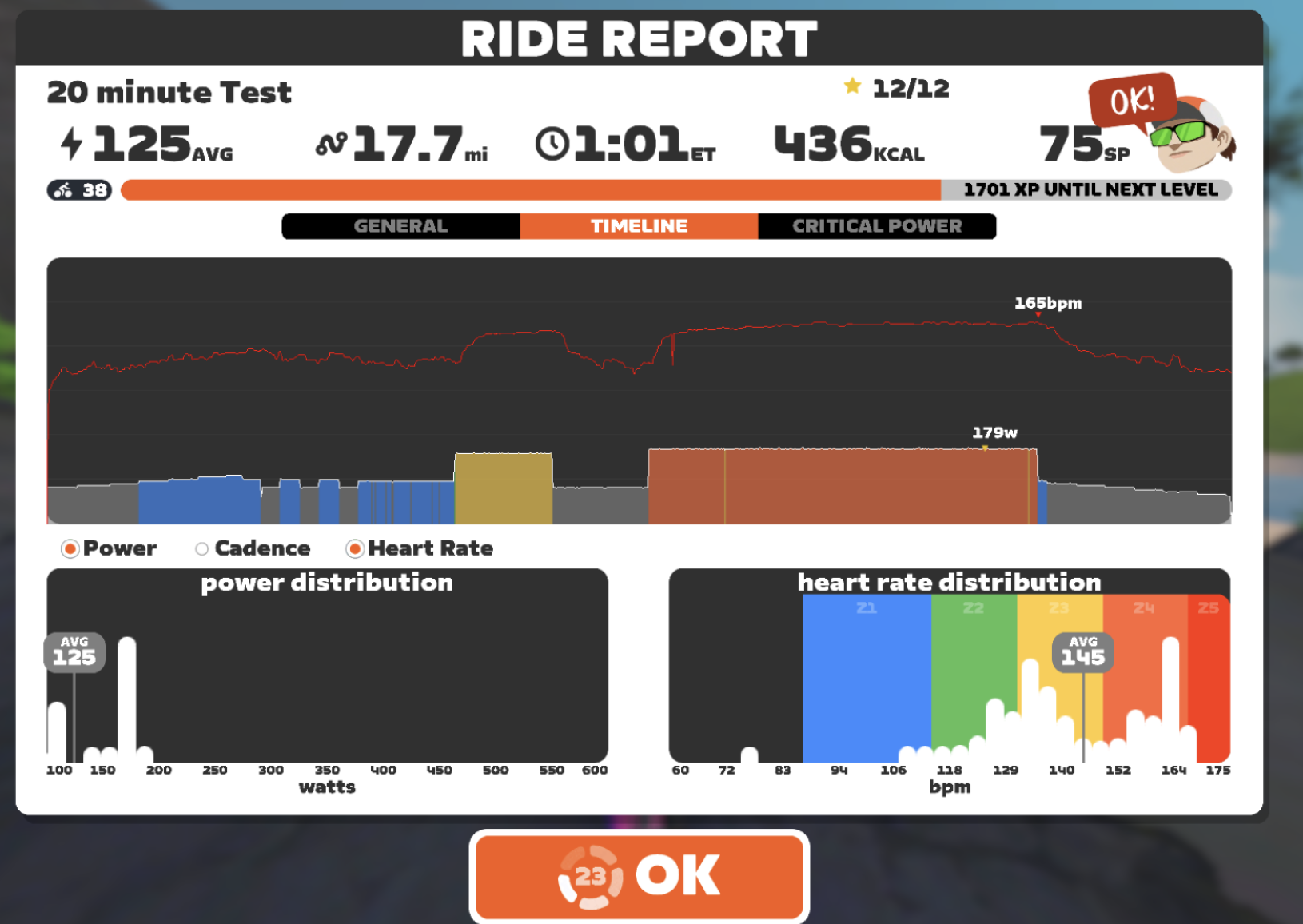
The report of a “5/5” FTP test workout - only 60 minutes, but extremely hard
I have been struggling during the training plan for this cross country trip because I am getting bored with biking. I like triathlon training because you rarely do the same thing two days in a row (though sometimes you do two workouts in a single day); you bike and run one day, swim the next, run and bike again, swim again, and so on. But this training plan is … all biking. I have already bumped up against the limit of what I can tolerate on the indoor trainer — about 3.5 hours, which is about half of the longest riding days (119 and 103 miles), and less than what we’ll do on most days. I rode 4 hours in the snow last weekend to avoid a fourth day in a row on the trainer, and while my winter gear made the cold temps tolerable, I had to sit upright on my race bike to use the handwarmers, and my hips were in a ton of pain afterwards.
As a former public health person, the phrase “what gets measured, gets done” lives in my brain: Measuring the outcomes your intervention is trying to achieve as you go increases the odds that you’ll stop doing stuff that isn’t working, or do more of what is. But you don’t want to get lost in the measurement; while you want to collect surveys about the condom demonstration workshops, doing the workshops is going to change behavior, not the surveys.
When it comes to financial planning, one of the most effective “interventions” in my toolbox is simple — tracking and reviewing spending transactions. Most clients only need a moderate degree of measurement but some clients need significant analysis and restructuring, and being willing to look their spending history in the face over time is essential to actually changing behavior. However, I’ve had clients who get lost in the weeds of categorizing transactions and creating rules and spreadsheets, and this rarely results in an actual reduction in spending.
In the fitness space, I’ve had a love/hate relationship with tech and measurement. In triathlon, I did my first several races with an old Timex Ironman watch that I only stopped using because the band broke and they don’t make them anymore. When I finally got an Apple Watch, my left arm started hurting because I kept turning my wrist to look at the watch while I was running; I was so distracted by the heart rate and pace data that it was actually straining my tendons—and it did not make me any faster :)
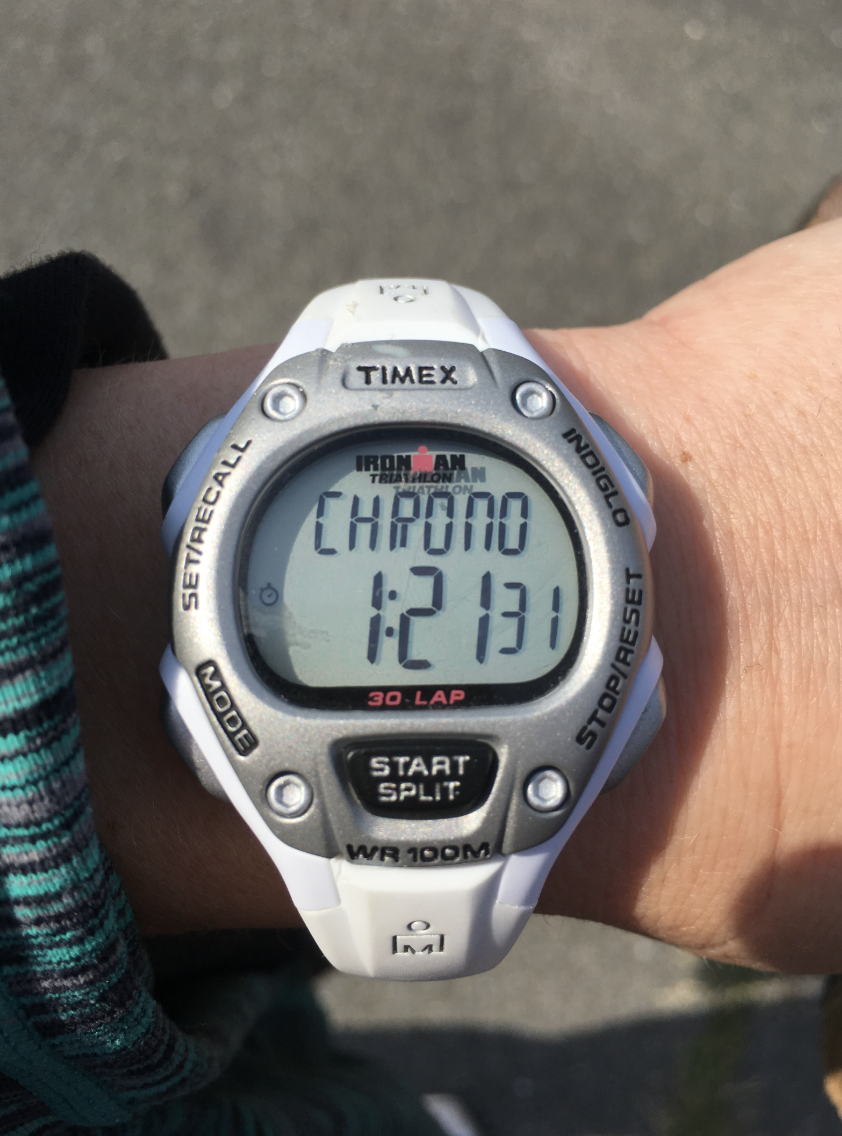
My first sprint tri in June 2019: 1 hour, 21 minutes
The Apple Watch didn’t do that much in the beginning but they’ve added open water swimming and kick and stroke sensors for pool swimming; when I first got it, kick board laps were simply excluded. But the Apple watch battery won’t last for half or full ironman races, so even though I was using an Apple Watch to monitor training, I wore ye olde Timex for my Eagleman 70.3 in 2022.
When I did a 140.3 race in 2024, my Timex had finally died and they don’t make them anymore; I went to no fewer than 3 department stores to find a digital watch that I could wear swimming. I haven’t worn it since so the face still shows my finish time; well above my goal of 12 hours, but still amazing considering that 10% of people don’t finish at all.
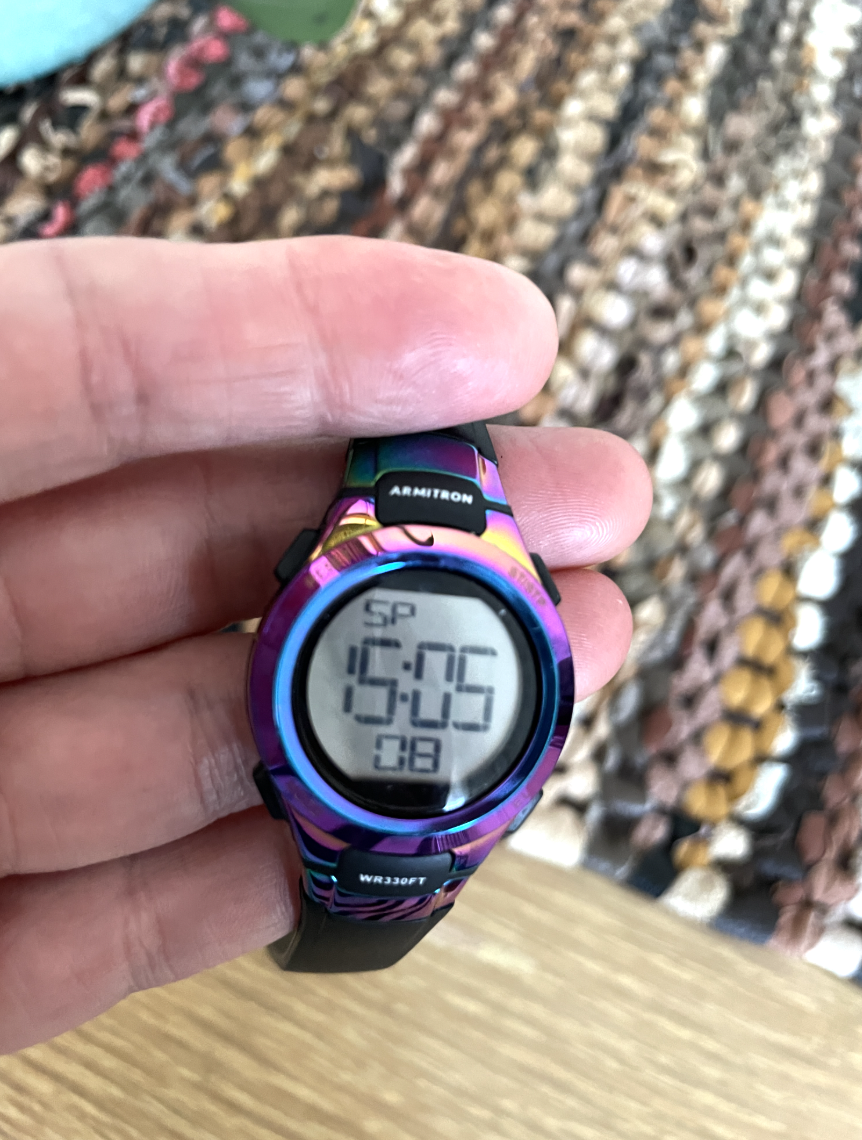
Michigan Titanium 140.6 in 2024: 15 hours, 5 minutes
After my triathlon this summer where I won my age group and beat the times of everyone in the age group below me, I compared my stats to my first triathlon in 2019 and found that my run and bike pace had not changed AT ALL. Maintaining the same pace over a 6 year period during longer and longer races is an accomplishment (especially given my age) but I had invested over the years in more and better equipment, training and measurement tools and it didn’t help me get faster.
During the holidays, it’s hard to keep up with a rigid training plan, so I’m trying to focus on doing and just enjoying; this whole thing is supposed to be a sabbatical, after all. A very wise woman I met at a triathlon event said to me once when I was fretting about whether I was prepared enough for the hills on the course for my first olympic: “You’ll race what’s in front of you.” I don’t know exactly how long every ride will be or how hard it will feel, but I do know that I’ve finished every race I’ve started.
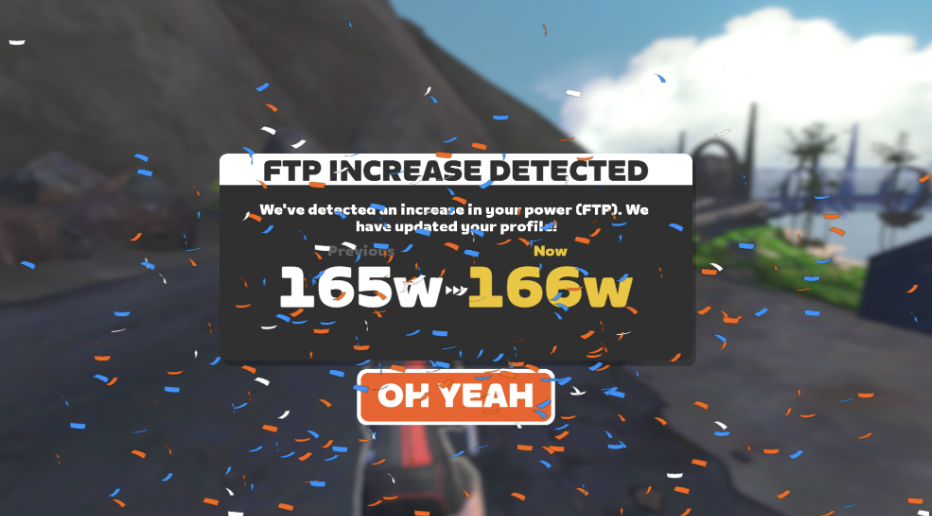
The result of the 20 minute test - a 1 watt increase in my power. Wow!
Endurance Cycling Training & Motivation FAQ
How do you train for a cross-country bike tour?
Training for a cross-country bike tour focuses on building endurance over months rather than preparing for a single race. Most cyclists gradually increase weekly mileage, practice riding on consecutive days, improve recovery, and spend time adapting to the type of bike they'll ride on tour.
How is training for a bike tour different from training for a triathlon?
Triathlon training offers variety by rotating between swimming, biking, and running. Preparing for a long-distance cycling tour is much more repetitive, with most workouts spent on the bike. Many cyclists find that maintaining motivation—not physical ability—is one of the biggest training challenges.
How many hours should you ride to prepare for bike touring?
The answer depends on your goals and route, but many long-distance cyclists gradually work toward several hours in the saddle at a time while also practicing consecutive riding days. Comfort and consistency often matter more than speed.
How do you stay motivated during a long cycling training plan?
Breaking training into manageable workouts with clear objectives can make long plans feel less overwhelming. Many athletes also benefit from remembering the larger goal, mixing indoor and outdoor rides when possible, and focusing on consistency rather than perfection.
Is indoor cycling enough to prepare for a cross-country bike trip?
Indoor training is an excellent way to build fitness, especially during winter, but it doesn't fully replicate the physical and mental demands of spending long days outside. Many cyclists combine indoor workouts with outdoor rides to build endurance, handling skills, and comfort on the bike.
Why do cyclists use structured training plans?
A structured training plan removes uncertainty by defining the purpose, duration, and intensity of each workout. Knowing exactly what you're trying to accomplish often makes it easier to stay consistent over months of training.
What is an FTP test in cycling?
FTP stands for Functional Threshold Power. An FTP test measures the highest power output a cyclist can sustain for an extended period and helps determine appropriate training zones. It's one of the most common benchmarks used to personalize cycling workouts.
Which cycling metrics actually matter?
Cyclists can track dozens of performance metrics, but the most useful data often answers simple questions:
How long did I ride?
How hard did the effort feel?
Did I complete the planned workout?
Am I recovering well enough to train again tomorrow?
For many recreational athletes, consistency matters more than collecting every available statistic.
Does tracking more fitness data make you a better athlete?
Not necessarily. Fitness watches, bike computers, and training platforms provide valuable information, but more data doesn't automatically lead to better performance. The most effective measurements are the ones that influence training decisions rather than simply recording activity.
Can fitness technology become a distraction?
Yes. Watches, heart-rate monitors, power meters, and GPS devices can improve training, but it's easy to become overly focused on numbers instead of effort, enjoyment, and long-term consistency. Technology works best when it supports your training rather than controlling it.
Is an Apple Watch good for triathlon training?
An Apple Watch works well for many triathletes during training and now supports open-water swimming, cycling, and running. However, athletes competing in very long endurance races should verify that battery life is sufficient for their event.
Does expensive equipment make you faster?
Better equipment can improve comfort, convenience, and reliability, but it doesn't replace consistent training. Many endurance athletes discover that years of disciplined training contribute more to long-term improvement than continually upgrading gear.
What should you measure during endurance training?
The most valuable measurements are the ones that help guide future decisions. Tracking completed workouts, training consistency, recovery, and overall fitness trends is generally more useful than obsessing over every statistic.
How do you avoid burnout during endurance training?
Burnout often comes from focusing exclusively on numbers or following a rigid plan without flexibility. Allowing room for enjoyment, adapting workouts during busy seasons, and remembering why you started can make long training cycles more sustainable.
What mindset helps during long-distance endurance events?
One of the most valuable lessons in endurance sports is learning to focus on the challenge directly in front of you rather than trying to predict every obstacle ahead. Successful athletes prepare as well as they can, trust their training, and adapt to whatever the day brings.
What's more important in endurance sports: speed or consistency?
For most recreational athletes, consistency wins. Completing workouts week after week, recovering well, and continuing to show up over months and years typically produces greater long-term results than chasing small improvements in pace or power.